


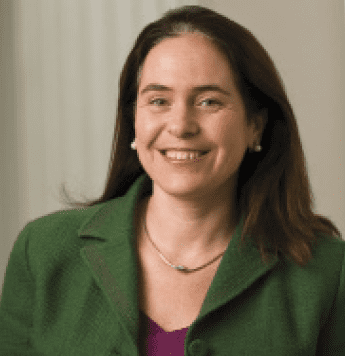
Luis Felipe López-Calva is a distinguished economist and a leading expert in poverty, inequality, inclusive growth, and development economics. He currently serves as the Global Director for Poverty and Equity at the World Bank.
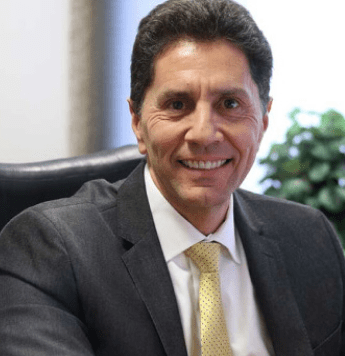
Luis Felipe López-Calva is a distinguished economist and a leading expert in poverty, inequality, inclusive growth, and development economics. He currently serves as the Global Director for Poverty and Equity at the World Bank.

Luis Felipe López-Calva is a distinguished economist and a leading expert in poverty, inequality, inclusive growth, and development economics. He currently serves as the Global Director for Poverty and Equity at the World Bank.

Luis Felipe López-Calva is a distinguished economist and a leading expert in poverty, inequality, inclusive growth, and development economics. He currently serves as the Global Director for Poverty and Equity at the World Bank.

Track Chairs: Luis Gomez Mejia (Arizona State University), Isabel C. Botero (University of Louisville), Fernanda Canale (IPADE Business School), Patricio Duran (University of Richmond). This track explores the distinctive characteristics, behaviors, and evolution of family enterprises across Ibero America, a region where family-owned firms play a dominant economic and social role. Scholars are invited to examine how cultural values, institutional environments, governance structures, and succession processes shape the long-term sustainability and competitiveness of these organizations. By analyzing the strategic, emotional, and relational dynamics embedded in family firms, this track aims to deepen understanding of how these enterprises innovate, adapt, and contribute to regional development.

Track Chairs: Luis Gomez Mejia (Arizona State University), Isabel C. Botero (University of Louisville), Fernanda Canale (IPADE Business School), Patricio Duran (University of Richmond). This track explores the distinctive characteristics, behaviors, and evolution of family enterprises across Ibero America, a region where family-owned firms play a dominant economic and social role. Scholars are invited to examine how cultural values, institutional environments, governance structures, and succession processes shape the long-term sustainability and competitiveness of these organizations. By analyzing the strategic, emotional, and relational dynamics embedded in family firms, this track aims to deepen understanding of how these enterprises innovate, adapt, and contribute to regional development.

Track Chairs: Luis Gomez Mejia (Arizona State University), Isabel C. Botero (University of Louisville), Fernanda Canale (IPADE Business School), Patricio Duran (University of Richmond). This track explores the distinctive characteristics, behaviors, and evolution of family enterprises across Ibero America, a region where family-owned firms play a dominant economic and social role. Scholars are invited to examine how cultural values, institutional environments, governance structures, and succession processes shape the long-term sustainability and competitiveness of these organizations. By analyzing the strategic, emotional, and relational dynamics embedded in family firms, this track aims to deepen understanding of how these enterprises innovate, adapt, and contribute to regional development.

Track Chairs: Luis Gomez Mejia (Arizona State University), Isabel C. Botero (University of Louisville), Fernanda Canale (IPADE Business School), Patricio Duran (University of Richmond). This track explores the distinctive characteristics, behaviors, and evolution of family enterprises across Ibero America, a region where family-owned firms play a dominant economic and social role. Scholars are invited to examine how cultural values, institutional environments, governance structures, and succession processes shape the long-term sustainability and competitiveness of these organizations. By analyzing the strategic, emotional, and relational dynamics embedded in family firms, this track aims to deepen understanding of how these enterprises innovate, adapt, and contribute to regional development.

Track Chairs: Luis Gomez Mejia (Arizona State University), Isabel C. Botero (University of Louisville), Fernanda Canale (IPADE Business School), Patricio Duran (University of Richmond). This track explores the distinctive characteristics, behaviors, and evolution of family enterprises across Ibero America, a region where family-owned firms play a dominant economic and social role. Scholars are invited to examine how cultural values, institutional environments, governance structures, and succession processes shape the long-term sustainability and competitiveness of these organizations. By analyzing the strategic, emotional, and relational dynamics embedded in family firms, this track aims to deepen understanding of how these enterprises innovate, adapt, and contribute to regional development.
Fernando Iglesias Raggio es Profesor del área de Dirección Financiera en IPADE Business School. Cuenta con un Máster en Dirección de Empresas (MEDE) por IPADE, así como un Máster en Mercado de Capitales por la Universidad de Buenos Aires (UBA) y el Mercado de Valores de Buenos Aires (MERVAL). Es Licenciado en Economía por la UBA y posee un Posgrado en Formación Estratégica para Líderes por el Instituto Tecnológico y de Estudios Superiores de Monterrey (ITESM).
Su experiencia directiva incluye funciones como Gerente de Business Skills, Analista Sénior de Backoffice en Consultores Asset Management, Especialista en Consultoría de Ventas en American Express, Analista Sénior de Finanzas en American Express y Gerente de Finanzas, desempeñándose como asesor financiero de los directores generales de los negocios de LATAM y de tarjetas globales en American Express. Asimismo, ha sido Gerente Sénior de Nuevos Negocios RED AMEX LATAM, Gerente Sénior de Desarrollo de Cuentas en American Express, Ejecutivo de Cuentas del Sector Financiero en SAS y Ejecutivo de Cuentas Estratégicas en Alteryx.
En el ámbito académico y profesional, es líder de curso en programas ejecutivos como “Finanzas Estratégicas para Situaciones de Crisis”, “Valuación de Proyectos y Empresas”, “Derivados Financieros”, “Gestión de Riesgos y Fraudes” y el programa CFO 2023. Ha participado como profesor invitado en materias de la licenciatura en Economía y Actuaría en la Universidad de Buenos Aires. Es autor de cinco publicaciones presentadas en jornadas de cátedra y de un artículo en un periódico nacional.
Sus áreas de interés abarcan las finanzas, las inversiones, la consultoría, la asesoría bursátil y los mercados financieros.