

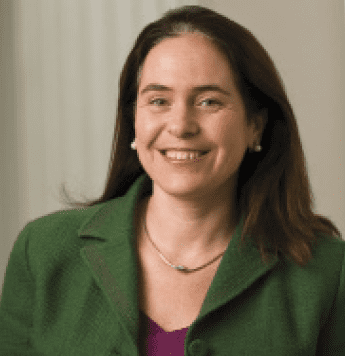
Ruth V. Aguilera (Northeastern University) is a highly respected and influential scholar in strategic management, international business, and corporate governance. She is widely recognized for her work on how institutional contexts shape firms’ behaviors—particularly regarding governance, corporate social responsibility and globalization.
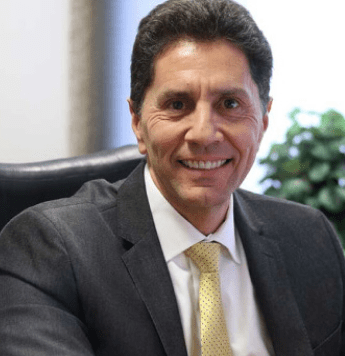
Herman Aguinis (George Washington University) is respected for producing research that is simultaneously rigorous, methodologically innovative, and practically relevant. His scholarship has shaped how organizations design performance systems, how researchers conduct empirical studies, and how institutions understand governance, corporate social responsibility, and talent strategy.

Sharon Alvarez (University of Pittsburgh) is a leading academic in the fields of entrepreneurship theory, strategic management, and organizational studies. She is best known for her work on opportunity creation theory, which argues that entrepreneurial opportunities can be created through human action—not only discovered in existing environments. This perspective has significantly shaped contemporary debates in entrepreneurship research.

Luis Felipe López-Calva is a distinguished economist and a leading expert in poverty, inequality, inclusive growth, and development economics. He currently serves as the Global Director for Poverty and Equity at the World Bank.

This track explores the distinctive characteristics, behaviors, and evolution of family enterprises across Ibero America, a region where family-owned firms play a dominant economic and social role. Scholars are invited to examine how cultural values, institutional environments, governance structures, and succession processes shape the long-term sustainability and competitiveness of these organizations. By analyzing the strategic, emotional, and relational dynamics embedded in family firms, this track aims to deepen understanding of how these enterprises innovate, adapt, and contribute to regional development.

This track explores the distinctive characteristics, behaviors, and evolution of family enterprises across Ibero America, a region where family-owned firms play a dominant economic and social role. Scholars are invited to examine how cultural values, institutional environments, governance structures, and succession processes shape the long-term sustainability and competitiveness of these organizations. By analyzing the strategic, emotional, and relational dynamics embedded in family firms, this track aims to deepen understanding of how these enterprises innovate, adapt, and contribute to regional development.

This track explores the distinctive characteristics, behaviors, and evolution of family enterprises across Ibero America, a region where family-owned firms play a dominant economic and social role. Scholars are invited to examine how cultural values, institutional environments, governance structures, and succession processes shape the long-term sustainability and competitiveness of these organizations. By analyzing the strategic, emotional, and relational dynamics embedded in family firms, this track aims to deepen understanding of how these enterprises innovate, adapt, and contribute to regional development.

This track explores the distinctive characteristics, behaviors, and evolution of family enterprises across Ibero America, a region where family-owned firms play a dominant economic and social role. Scholars are invited to examine how cultural values, institutional environments, governance structures, and succession processes shape the long-term sustainability and competitiveness of these organizations. By analyzing the strategic, emotional, and relational dynamics embedded in family firms, this track aims to deepen understanding of how these enterprises innovate, adapt, and contribute to regional development.

This track explores the distinctive characteristics, behaviors, and evolution of family enterprises across Ibero America, a region where family-owned firms play a dominant economic and social role. Scholars are invited to examine how cultural values, institutional environments, governance structures, and succession processes shape the long-term sustainability and competitiveness of these organizations. By analyzing the strategic, emotional, and relational dynamics embedded in family firms, this track aims to deepen understanding of how these enterprises innovate, adapt, and contribute to regional development.
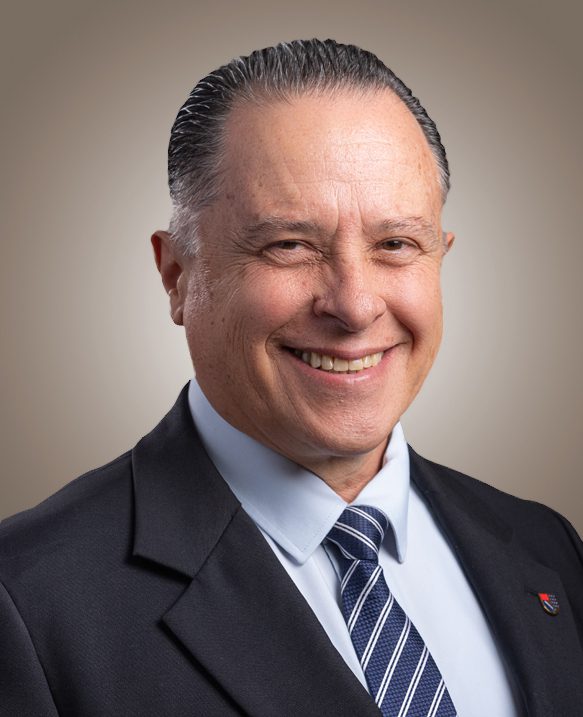
Es profesor decano de las áreas de Factor Humano y Empresa-Familia. Ingeniero Industrial por la Universidad Anáhuac. Doctor en Gobierno y Cultura de las Organizaciones y maestría en Ciencias de la Familia por la Universidad de Navarra (España). Posee un Máster en Dirección de Empresas (MEDE) por IPADE.
Es miembro de Consejos de Administración en diversas empresas y miembro del subcomité de Gobierno Corporativo – CCE. Socio fundador del Colegio Nacional de Consejeros profesionales independientes de empresa AC. y consultor en diversas empresas como Xcaret, Microsoft, Liverpool, Grupo Lala, entre otros.